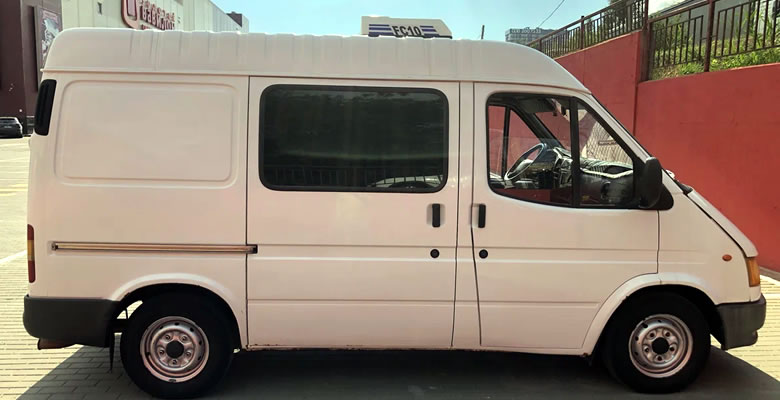
Hey guys, if you’re wrenching on an old Ford Transit 2 – that tough-as-nails van from 1978 to 1985 – you know the drill. These things were built to last, hauling loads across Europe and beyond, and plenty are still out there earning their keep. But the engines? They can throw tantrums. Whether you’ve got the trusty 2.0 Pinto petrol under the hood or the legendary 2.4 York diesel, problems creep in with age, mileage, and sometimes plain neglect. I’ve seen vans come into the shop barely limping, owner swearing it “just started doing this yesterday,” and others that soldier on for decades with basic care. Today we’re diving into diagnosing engine faults the practical way – no fancy scanners needed, just eyes, ears, basic tools, and a bit of patience.
First off, let’s get real about these powerplants. The Pinto (1.6 or 2.0 OHC petrol) is a solid unit when maintained, but it hates overheating and skimped oil changes. The York diesel? Bulletproof reputation, gear-driven cam, no timing belt to snap, but it’s slow as molasses and fussy about cold starts if things go south. Both can develop the same broad symptoms: hard starting, smoke, knocks, power loss. The trick is matching the clue to the cause before you tear everything apart.
That Dreaded No-Start or Hard Crank
Ever rolled up to a job site, turned the key, and… nothing? Or it cranks forever before catching? Start simple. Battery voltage – should be 12.6V rested, 9.6V+ while cranking. Low? Charge or replace. Starter motor clicking or whining? Solenoid or brushes worn. For petrol Pintos, check the coil, distributor cap, rotor – carbon tracking or cracked cap kills spark quick. Fuel? Pump should buzz when ignition on (early electric pumps) or mechanical lift pump clicking. No buzz? Wiring or bad pump.
Diesel York owners know the cold-morning struggle best. Glow plugs bad? Pull the connector, test resistance (around 0.6–1.2 ohms each). Timer relay faulty? Bypass it temporarily to test. Air in the lines – common after sitting or filter change – crack the injector lines and crank till fuel spurts bubble-free. If it fires but dies, bleed the system again. Know what? I once spent hours chasing a no-start only to find the fuel tank pickup clogged with old gunk – classic on high-mileage vans.
Smoke Signals You Can’t Ignore
Exhaust tells tales. Blue smoke on acceleration or overrun? Burning oil. Check level first – low means leak or consumption. Pintos love rear main seal drips; Yorks can push oil past valve stems if guides worn. Compression test next: should be 150–180 psi petrol, 350–450 psi diesel, even across cylinders. Big drop on one hole? Rings or valves. White smoke? Coolant in combustion – head gasket blown. Sweet smell confirms it. Black smoke? Overfueling. On York, dirty injectors or pump timing slipped; on Pinto, choke stuck or carb jets clogged.
White smoke at startup that clears? Normal condensation in cold weather. But steady white with overheating? Big trouble – head gasket or cracked head. Coolant in oil (milky dipstick) or oil in coolant seals the deal. Ever seen a Pinto puke coolant out the overflow after a hard run? That’s usually the head gasket crying uncle.
Knocking, Tapping, and Weird Noises
Bottom-end knock under load? Could be rod bearings – oil pressure test time (should hold 30–50 psi hot). Tap-tap-tap at idle? Hydraulic lifters starved or cam followers worn (Pinto classic if oil changes skipped). Yorks sometimes clatter from loose rockers or injector tick – normal to a point, but excessive means adjustment or worn parts. Chain rattle? Timing chain stretch on Pinto (yes, it has one) – check tensioner.
Power loss uphill or flat out? Fuel starvation – clogged filter or pump weak. Ignition timing off on petrol; injection pump timing retarded on diesel. Vacuum leaks on carb Pintos cause lean stumble – spray carb cleaner around intake, listen for rev change.
Overheating – The Silent Killer
Pintos warp heads fast if temp climbs. Thermostat stuck closed? Fan not kicking in? Water pump leaking? Check hoses for collapse under load. Rust in the system blocks flow – flush it. Yorks run cooler but still overheat if radiator clogged or head gasket weeping.
Quick checklist for any diagnosis:
- Oil & coolant levels/color/condition
- Belt tensions, leaks visible
- Battery & charging system
- Spark/fuel/glow at cranks
- Compression/leak-down test
- Exhaust smoke observation
- Listen under load/revs
Honestly, alot of these vans get fixed with basics – fresh filters, oil, plugs, adjustment. But ignore the signs and you’re looking at a rebuild or swap. I’ve pulled heads on Pintos with warped surfaces that could’ve been saved with early catch. Yorks? Change oil religiously, they reward you with 500k+ miles.
Big shout-out to www.fordbook.ru – their manuals and diagrams were gold for double-checking specs and torque values while putting this together.
Look, the Transit 2 isn’t flashy, but it’s honest. Treat it right, listen when it talks (or smokes or knocks), and it’ll keep going long after newer vans quit. Got one in the garage? Drop your symptoms below – we’ve all been there. Stay safe out there, keep the wheels turning.